
Reseeding: An Investment That Delivers
5th August 2026
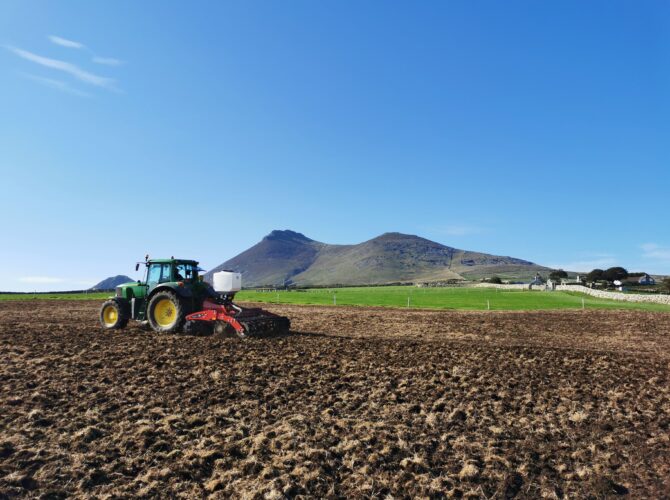
Grass remains the cheapest feed available on beef, sheep and dairy farms, yet many swards across Northern Ireland are no longer performing to their full potential. A decline in perennial ryegrass, increasing weed burden and poor soil fertility can all have a significant impact on both grass yield and feed quality.
August and early September provide an excellent opportunity to establish a new sward. Warm soil temperatures, improving soil moisture and reduced weed pressure all help create ideal growing conditions, giving young grass the best chance to establish well before winter.
If perennial ryegrass content has fallen below 50%, grass production has declined or weeds such as docks and chickweed are becoming more prevalent, a full reseed is likely to deliver the greatest return. Where the existing sward is still relatively productive, overseeding may be sufficient to improve performance at a lower cost.
As with most grassland decisions, success starts below ground. No reseed will reach its potential if soil fertility is limiting growth. A soil analysis should always be carried out before cultivation to establish pH and nutrient status. Aim for a soil pH between 6.3 and 6.5, with phosphorus and potassium at Index 2. Correcting deficiencies before sowing allows the new sward to establish quickly and make the most efficient use of available nutrients.
Seed selection is equally important. Choosing high-performing perennial ryegrass varieties suited to the intended system will determine how the sward performs for years to come. Whether the priority is intensive grazing, high-quality silage, or a dual-purpose system, selecting proven varieties with good persistency and digestibility will maximise the return on investment. The Fane Valley and Mortons grass seed range have carefully designed mixtures to meet the needs of farms across the country.
Once the old sward has been removed, attention should focus on producing a fine, firm seedbed with excellent seed to soil contact. Any drainage or compaction issues should be addressed before sowing, as poor soil structure will continue to limit production regardless of the quality of the seed mixture.
Grass seed should be sown shallowly, ideally no deeper than 10–15 mm, before rolling to improve consolidation and retain moisture around the seed.
Nutrition during establishment should not be overlooked. Young seedlings require readily available nutrients to encourage root development and tillering, so phosphorus and potassium should be applied based on soil analysis. Nitrogen may also be needed to drive early growth.
One of the most common mistakes following reseeding is waiting too long before the first grazing. Once the new sward reaches around 8–10 cm and plants are well anchored, a light grazing with young stock or sheep will encourage tillering and help create a dense, productive sward. Allowing grass to become too strong before this first grazing can reduce sward density and limit long-term performance.
Regular monitoring is also important during establishment. Weed control should be carried out promptly where required, although farmers should ensure any herbicide used is targeted to the weeds present in the sward.
Reseeding is not simply about replacing an old field, it is about increasing the amount of high quality grass grown and utilised on the farm. A productive reseed can deliver significantly higher dry matter yields, improved forage quality and better livestock performance for many years, helping reduce reliance on purchased feed and improve overall business efficiency.
Taking the time to get an autumn reseed right will ensure your grassland continues to deliver high-quality forage and strong animal performance for seasons to come. Find out more about the benefits of reseeding and finding the right grass seed mixture by contacting your local Fane Valley Agronomist, visiting your local store, or calling 028 9261 0485.