
Photosensitisation in Cattle
15th July 2026
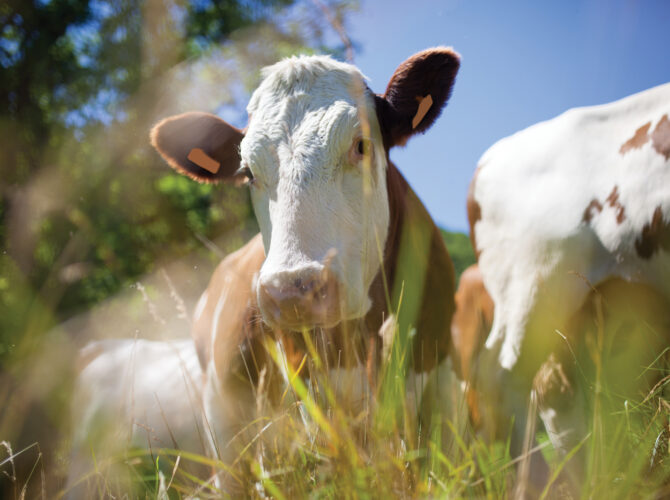
Over the last few weeks, there have been numerous reports from farmers all across Northern Ireland of cattle showing signs of severe skin irritation and what appears to be ‘sunburn.’
Cattle can experience photosensitisation, commonly known as sunburn. This is a skin condition caused by a reaction of certain substances in the body with sunlight, leading to a painful, burn-like response, particularly seen in the white areas of the coat and the muzzle, where the UV in the sunlight gets through to the skin.
Photosensitisation can occur when cattle ingest plants containing photodynamic agents, or when the liver damage prevents the removal of these agents from the bloodstream. Photodynamic agents are harmless on their own however, when exposed to UV light, they become activated and produce compounds which damage the skin cells and tissues and cause inflammation.
Primary Photosensitisation
Primary photosensitisation in cattle is primarily caused by the ingestion or absorption of photodynamic agents, often found in certain plants such as St. John’s wort, buckwheat and cowslip.
These plants, when consumed, introduce substances into the animal’s system that make the skin more susceptible to damage from ultraviolet (UV) light exposure.
Secondary Photosensitisation
Secondary photosensitisation in cattle is caused by liver damage that impairs the ability of the liver to process and excrete a photosensitizing agent called phylloerythrin, a breakdown product of chlorophyll. This buildup of phylloerythrin in the bloodstream leads to skin damage when exposed to sunlight. Liver damage can be caused by various factors, including plant toxins, copper poisoning, or leptospirosis.
Symptoms of Photosensitisation
- Pain and Discomfort: Cattle may be restless, uncomfortable, and show signs of pain in the affected areas. Cattle often swish their tails and stamp their feet.
- Skin Damage: Non-pigmented skin is most affected, with redness, swelling, ulceration, and potential oozing of fluid. White areas like the muzzle, udder, or scrotum can be severely affected.
- Hair Loss and Crusts: Affected areas may become dry, crusty, and hair may be lost in some cases.
- Ear and Eye Swelling: Ears may droop, and eyes may become swollen shut in severe cases.
Treatment and Management
- Protection from Sunlight. Affected animals need to be housed in a dark environment away from direct sunlight for at least a week.
- Pain Relief. Anti-inflammatory medications are essential to manage pain and limit further damage.
- Antibiotics may be needed to prevent or treat secondary skin infections. Also, occasionally due to the presence of abscessation in the liver.
- Supportive Care. Provide clean water and feed whilst housed. It may be more suitable to feed hay, rather than fresh grass, to cattle with secondary photosensitisation.
- Liver support. B vitamins, such as Liverpak, may be useful in supporting liver function.
Prevention
Preventing photosensitisation in cattle involves a combination of pasture management, careful monitoring of feed sources, and maintaining overall herd health. Regular inspection of grazing areas for toxic plants such as St. John’s wort, buckwheat and remove them where possible is key. Maintaining good liver health is also essential therefore, ensure animals are vaccinated against diseases like leptospirosis and avoid exposure to toxic plants or high levels of copper.