
Making the Most of Wholecrop Silage
6th July 2026
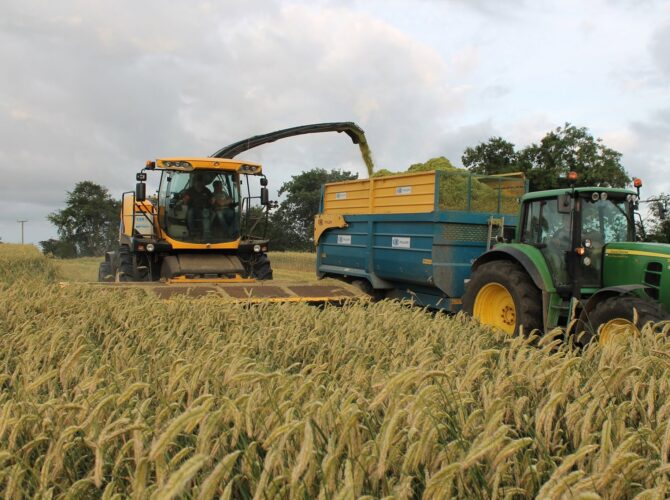
Wholecrop cereal silage has become a key part of how many dairy and beef producers balance diets and stretch forage stocks. At the heart of making wholecrop work is doing the basics right in the field and then protecting that investment with the right silage additive, such as MAGNIVA Platinum Wholecrop, to keep clamps cool and silage stable.
Wholecrop cereals give you a forage that is very different to grass silage. Instead of just leafy, high protein material, you harvest the whole plant straw and grain together resulting in a silage that combines rumen friendly starch from the grain with plenty of structural fibre from the straw.
With more farms now producing grass silage which is very leafy and rich, especially where multi‑cut systems are used. That’s great for energy, but it can leave cows short of fibre and drive diets towards high levels of bought‑in fibre. Wholecrop helps bring cows back into balance, lifting dry‑matter intakes and steadying rumen function without relying purely on straw and concentrates.
Harvest timing is key. The sweet spot for wholecrop is when the plant is still green in the straw, but the grains have moved beyond milky ripe into a soft, “cheddar cheese” texture when squeezed between finger and thumb.
At this stage, dry matter is typically around 35–40%. That gives high starch and energy, while still leaving the crop moist enough to compact and ferment properly. Cut too early and you lose starch and end up with wetter, more acidic silage. Cut too late and the grains become hard and difficult to digest and the crop is so dry that you struggle to consolidate it and keep it cool. Walking crops regularly as they approach maturity and checking grain texture in several parts of the field, pays dividends.
Cereal wholecrop is not the same as grass silage in the clamp. It is drier, contains more starch, and includes a lot of fibrous stems. These are all positives from a feeding point of view – but they create challenges at ensiling.
Dry, starchy silages are much more prone to heating and mould once exposed to air. Yeasts and moulds thrive on sugar and starch in the presence of oxygen. The result is warm silage at the face, visible white mould and invisible losses of dry matter and energy. In bad cases, you can also see knock‑on effects on cow health and performance.
This makes good clamp practice even more important than with grass. Wholecrop needs:
- A short chop length and effective grain processing at harvest to help compaction and digestion.
- Thin layers in the clamp and thorough rolling to push out air.
- Tight sheeting with an oxygen barrier film and plenty of weight on top.
- Careful face management at feed‑out, keeping the exposed area as small as practical.
Even with all of that, the nature of the crop means you’re still asking a lot from fermentation. That is where using a modern silage additive really proves its worth.
MAGNIVA Platinum Wholecrop has been developed specifically for cereal wholecrop. Instead of relying on one type of bacteria, it uses a carefully selected combination. Fast‑acting lactic acid bacteria help to drop the pH quickly, stabilising the silage in the early weeks. Alongside them, specialist bacteria such as Lactobacillus buchneri and Lactobacillus hilgardii work to improve aerobic stability, in other words, how well the silage resists heating when it meets air.
When wholecrop cereal silage is harvested at the right stage and protected with a modern additive like MAGNIVA Platinum Wholecrop, it becomes more than just “another silage”. It can:
- Help balance lush, multi cut grass silages by adding structural fibre and rumen‑friendly starch.
- Support higher dry matter intakes and more stable milk yields in dairy herds.
- Reduce reliance on bought‑in cereals and straw just to correct the diet.
- Give more options for managing fields and crops, especially in seasons when weather and markets don’t go to plan.
Getting the most from home‑grown forage is key to having a profitable and resilient farm business. Wholecrop cereal silage, backed up by the right inoculant, offers a practical, proven way to do that. To find out more about harvesting cereals for wholecrop or Magniva silage inoculants contact your local Fane Valley agronomist or call 028 9261 0485.