
Making the Most of Maize
29th April 2026
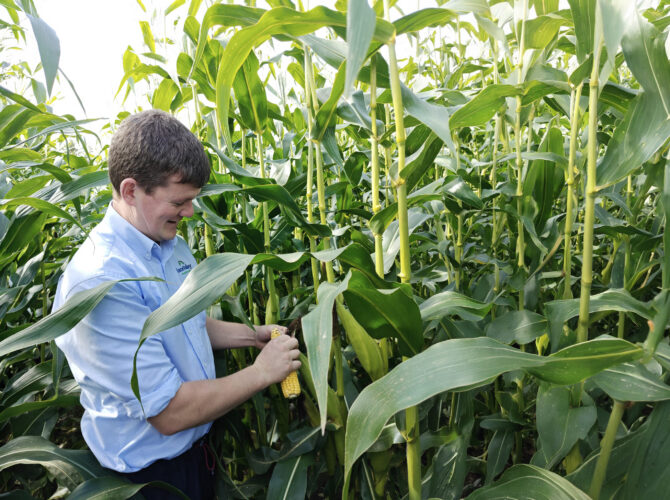
Forage maize is on the rise in Northern Ireland, with many farmers seeing its benefits of offering high‑energy forage, good nitrogen use efficiency and an excellent outlet for organic manures when managed correctly. Success, however, depends on matching the crop to site, soil temperature, and establishment system.
Maize silage is highly palatable, rich in starch and digestible fibre, and provides a consistent feed value that complements high‑protein grass silage. Diets including maize often support higher dry‑matter intakes and improved milk or liveweight gain by lifting overall energy density.
With increased chemical fertiliser prices maize shows good nitrogen use efficiency, typically requiring moderate N dressings compared with the energy and tonnes it produces. It is also an ideal crop for utilising organic manures in spring. Well timed applications, quickly incorporated, can supply a large share of the crop’s N and P, cut bagged fertiliser costs and improving the nutrient balance of the whole farm.
Maize is a warm‑season crop and requires more heat than some of our other crops to grow successfully. It is vital that soils are warm to get good and vigour establishment and taking temperatures are a key guide for when to begin drilling. Soil at seed depth must be at least 8–10°C and rising for several days to ensure rapid, even emergence. Drilling into cold, wet, compacted seedbeds leads to slow emergence, and irreversible yield and starch penalties. A fine, firm, well‑drained seedbed with no compaction is essential, and it is usually better to drill slightly later into warm conditions than early into cold ground. Maize is not tolerant to frost so it is important to keep in mind the risk of a late frost, if the plant has established and grown through the film and then gets this first it can cause irreversible damage. Therefore, it is advised that even if soil temperatures are correct that drilling should not begin before mid-April.
Choosing the correct maize variety for your area is critical to converting good agronomy into reliable yield and starch. In Northern Ireland’s marginal maize climate, you need varieties with maturity dates that suit your local altitude, soil type, and typical harvest window, so the crop reaches target dry matter and starch before autumn weather closes in. Early and very-early maturing varieties are usually best suited to our conditions. Standing power and vigour are just as important as headline yield figures, because a variety that looks good on paper but fails to ripen or lodges will never deliver its potential. Fane Valley have worked to find the best varieties for local conditions and can help you select the best variety for your site and goals.
To find out more about growing maize please contact your local Fane Valley agronomist or call 028 9261 0485.